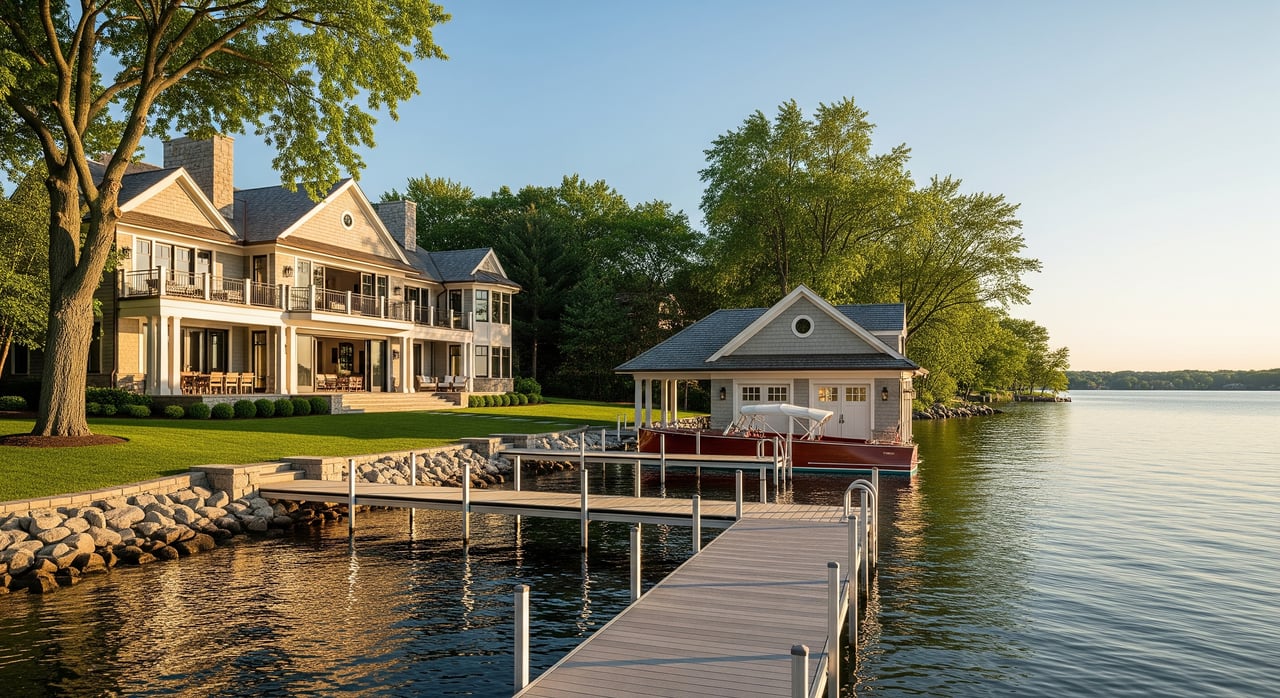
How to Price Lake Minnetonka Waterfront Homes Right
If you price a Lake Minnetonka waterfront home like a typical suburban listing, you risk leaving real money on the table. Waterfront value on this lake is shaped by the water as much as the house, and small differences can swing your price by six figures. If you are near the Lake Minnetonka Country Club area, you are in a high-demand, lake-adjacent pocket where micro-bay details, permits, and shoreline usability matter.
In this guide, you will learn how buyers think on Lake Minnetonka, which factors move value most, and a step-by-step way to build a confident price range. You will also get a practical checklist to use on site. Let’s dive in.
Lake Minnetonka is a large, multi-bay lake west of Minneapolis with peninsulas and micro-bays that act like their own mini markets. Areas like Wayzata, Deephaven, Excelsior, Minnetonka Beach, and Orono each have different demand patterns and amenities. The Lake Minnetonka Country Club area sits on the central side and shares many of these dynamics.
Waterfront here is often a luxury or amenity-driven market. Sales volumes are lower, homes are more unique, and timing is seasonal with more activity in spring and summer. Your strategy needs to reflect both the property’s water attributes and the micro-location.
Shoreline can be natural vegetation, riprap, seawall, or restored. Buyers often like the look and ecology of a softer shoreline, but the bigger question is how usable the shoreline is for docking and recreation. Permits and compliance for any shoreline work are critical.
Linear shoreline footage is a common benchmark, but not all frontage is equal. Curves, vegetation, and shallow sections can limit usable frontage. Match and price to the portion where a dock can go and where boats can moor safely.
Deep water out front is a premium because it supports lifts and reliable access. Shallow frontage that needs a very long dock or limits boat size is discounted. A firm or sandy bottom improves swimability and dock placement, while muck can be a negative. Consider typical summer levels and historical variability.
Sunlight and sightlines shape daily enjoyment. South and west orientations often feel more desirable for light and evening use. Open-water views command a premium compared to confined or obstructed bay views. Busy channel proximity can add convenience but also more wakes and noise.
Each bay has its own reputation and traffic pattern. Protected bays can offer quieter water, while channel-adjacent locations trade quiet for fast access. Proximity to local services and city centers like Wayzata or Excelsior can support higher pricing.
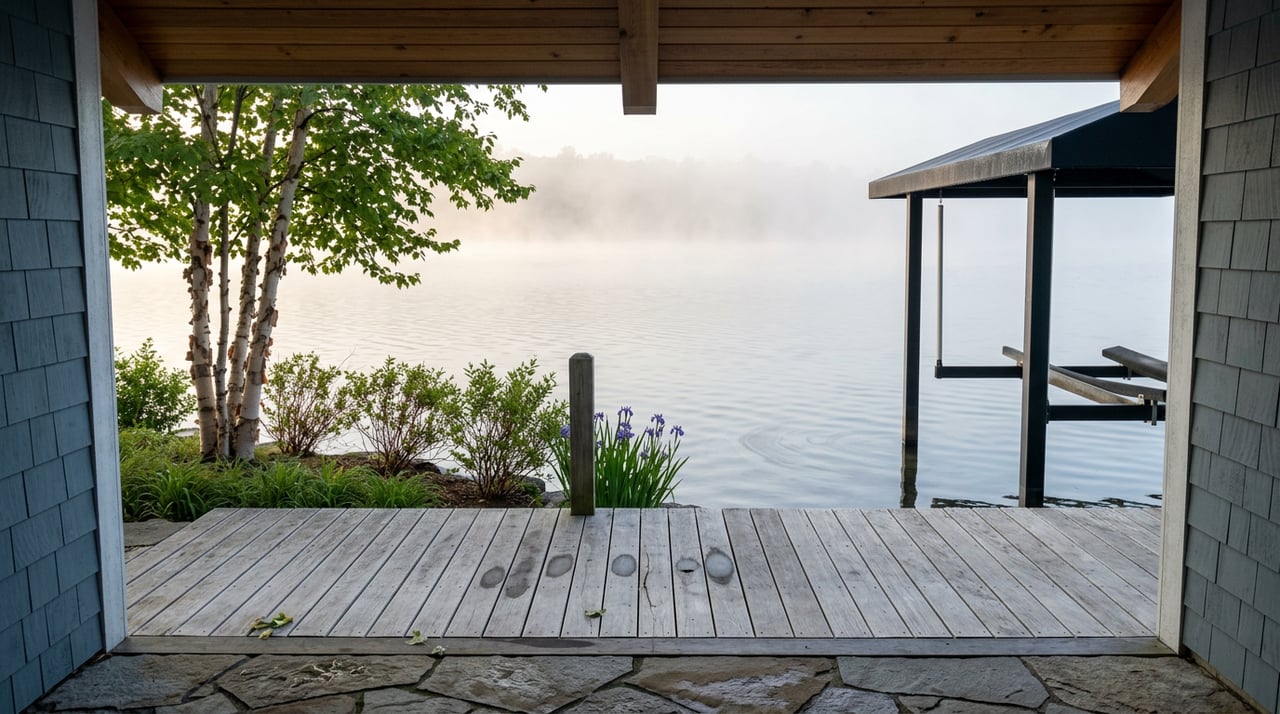
Permitted capacity matters: number of slips, the presence and legality of a boathouse, and lift setups are high-value features. Some boathouses are grandfathered. Buyers care about condition, code compliance, and whether rights transfer.
Many lake buyers will pay more for a move-in-ready home with updated kitchens, baths, and systems. The lot and water are primary, but a well-presented home still improves marketability and price.
Driveway approach, garage capacity, and guest parking influence how the home lives for entertaining. The distance and grade between the house and water also matter, especially for buyers who prefer easy access.
Municipal sewer is often an advantage. Older or noncompliant septic systems can hurt value and complicate resale. Stormwater rules and impervious-surface limits can shape what you are allowed to add or expand.
Dock and boathouse rules are governed locally. Setbacks, impervious coverage, and shoreline work are regulated by county and city shoreland ordinances. Easements, shared accesses, or conservation restrictions can affect price. Lake health and invasive species considerations also factor into long-term enjoyment and maintenance.
Floodplain status, documented high-water events, and winter ice damage history can influence insurance availability and premiums. Buyers are weighing these factors more when setting budgets.
The buyer pool for lakeshore is smaller, and days on market can be longer. Exceptional properties still sell quickly. Listing timing can help: spring and early summer often provide the best exposure.
The Lake Minnetonka Country Club area is lake-adjacent and tied closely to the central shore communities. Many properties here benefit from convenient access to amenities while enjoying the lake lifestyle. When you price, pay attention to the specific micro-bay, the typical boat traffic, and how quickly you can access open water.
Availability of municipal services can vary by nearby city. Confirm sewer versus septic, and check local shoreland rules in city and county codes before relying on expansion plans. Buyers in this area often compare homes across nearby bays, so match your comps carefully to local water conditions and neighborhood prestige.
Follow this simple, waterfront-focused approach to comping:
Use this quick checklist when you evaluate a Lake Minnetonka Country Club area listing:
Property basics
Shoreline and water access
Views and orientation
Improvements and condition
Regulatory and utilities
Neighborhood and location
Market data and comps
Photos and documentation
Seasonality matters. Spring and early summer usually bring more qualified lake buyers. If you must list outside peak season, lean harder on visuals and targeted outreach. High-quality shoreline, view, and aerial photography help buyers understand water depth, usable frontage, and sightlines.
Track early interest closely. If showings are slow, revisit your price range, staging, and photo set. Be data-driven and adjust with intent rather than making frequent small cuts.
Pricing a Lake Minnetonka waterfront home is part science, part local art. When you combine micro-bay comps with verified water and permit data, you set a price that attracts the right buyers and protects your net. If you want a design-led plan and a precise, lakeshore-specific valuation, connect with the local experts at Trenary Realty Group.
Stay up to date on the latest real estate trends.
For over 35 years, Trenary Realty Group has been leading the industry with a proven track record of consistent results. Whether you're buying, selling, or building, our experienced team is here to guide you through every step of your real estate journey.