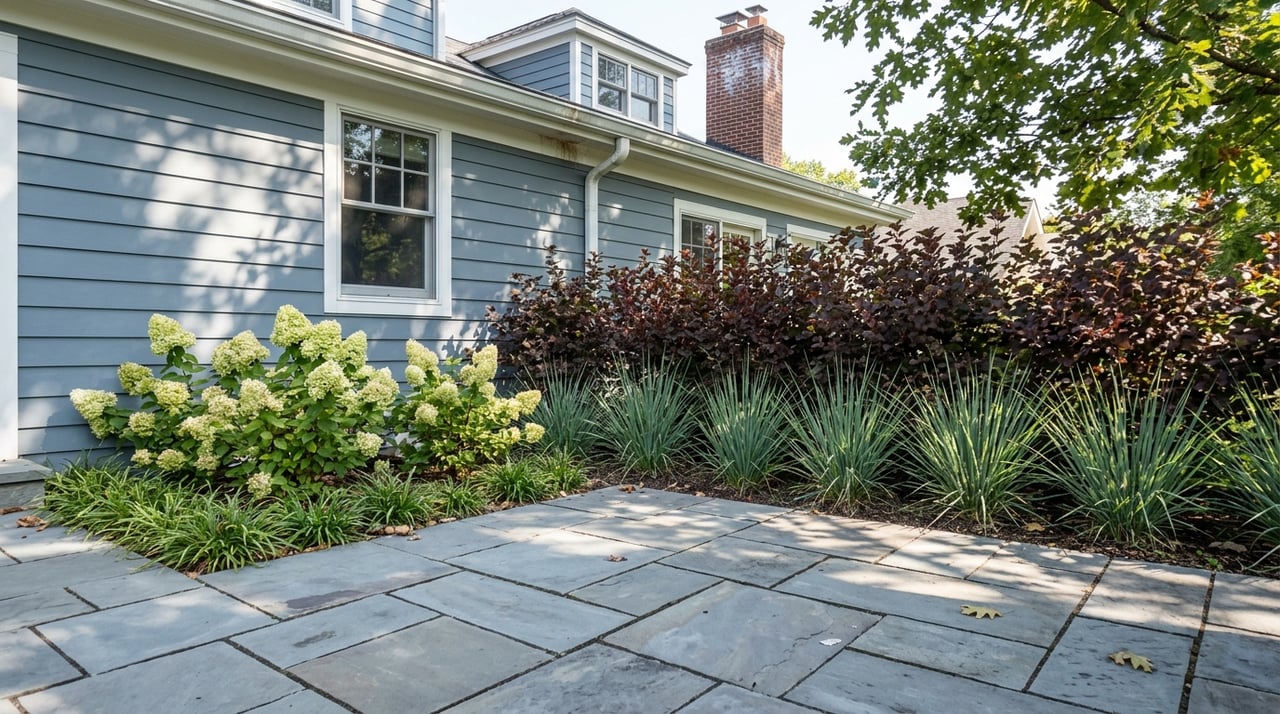
In Minnetonka, "Lake Access" Doesn't Mean What the Listing Implies
A listing photo shows a dock. The description says "deeded lake access." The buyer assumes that means a boat slip comes with the house, the way a garage comes with the house. Then they call the city to ask about putting their pontoon in the water and learn that the marina everyone's talking about only leases slips to people who already live in Minnetonka, one application per household, and there's a waitlist.
That's the moment the phrase "lake access" stops being a marketing line and starts being a legal question. In a city bordering Lake Minnetonka, the words get used loosely enough that three completely different arrangements all hide behind the same two words. Knowing which one you're buying, before you write an offer, is the difference between owning something and owning the right to ask.
"Lake access" in Minnetonka real estate can mean any of the following, and they are not interchangeable:
A deeded dock lease attached to a specific property, sometimes for a nominal annual fee. One property near Libbs Lake, for example, has come to market with deeded access across the street to Lake Minnetonka through Libbs Lake, tied to a $50-a-year dock lease that runs with the home.
An HOA-bundled boat slip inside a private development, where the dock is one amenity among several. Gray's Bay Landing, an association near Wayzata, pairs deeded dock access with shared pickleball and tennis courts, meaning the slip is part of a larger package of dues and shared governance, not a standalone asset.
A residency-restricted public slip leased from the City of Minnetonka, available only after you already own or rent in the city, and only after your name works its way up a waitlist.
Each of those carries a different cost, a different level of control, and a different amount of risk that it disappears the moment ownership changes hands.
Gray's Bay Marina is worth understanding even if you never plan to dock there, because it shows how tightly the public option is rationed. The marina sits on land the DNR owns, with the City of Minnetonka managing the fuel system, the permanent docks, and the building itself under a joint agreement with the state. That arrangement traces back to 2001, when the Trust for Public Land helped negotiate the purchase of the former private Gray's Bay Resort and Marina specifically to keep it in public hands rather than see it redeveloped privately.
The rules that came out of that public ownership are stricter than most buyers expect:
Read that last rule again. It means the public path to water isn't a purchase, it's a queue you have to actively manage, with a real financial penalty for hesitating at the wrong moment. Nothing in that process is transferable at closing. A buyer can't inherit someone else's spot on the list the way they'd inherit a fence or a finished basement.
Gray's Bay Landing shows the second model. The dock slip there isn't a separate deed, it's baked into the homeowners association, alongside amenities like pickleball and tennis courts. That means your access to the water is only as secure as the association's finances and governance. If the dock needs replacement, dues go up. If the association changes how slips are assigned among members, your specific slip could move. You're not buying water access outright, you're buying a share in an organization that manages it on your behalf.
That's not a criticism of the model. For a lot of buyers, trading direct control for shared maintenance and a package of amenities is exactly the trade they want. But it means the due diligence question isn't "does this property have a dock," it's "what does the HOA's governing documents say about who gets priority when slips are limited."
The Libbs Lake property with the $50-a-year lease is the cheapest version of "lake access" you're likely to find near Lake Minnetonka, and that low number should raise questions rather than settle them. A lease that inexpensive is almost certainly not a fee-simple ownership interest. It's a right that exists because of specific deed language, tied to that specific parcel, that a title company needs to trace back to its origin. A $50 annual cost tells you the lease itself is cheap to maintain. It tells you nothing about whether it survives a future sale, a change in association rules, or a dispute among the handful of households sharing that dock.
| Access type | Example | What you're actually buying | Where the risk sits |
|---|---|---|---|
| Deeded lease on a specific parcel | Libbs Lake property, $50/year | A recorded right tied to that lot | Title history and deed language |
| HOA-bundled slip | Gray's Bay Landing | A share in association-managed amenities | HOA governance and dues |
| Public residency-restricted lease | Gray's Bay Marina | A queue position, not a guaranteed slip | Waitlist timing and residency status |
None of these three is "lakefront ownership," and none of them should be priced or negotiated as if they were.
Minnetonka's housing market has stayed tight through 2026 even as the wider region loosened. Redfin's data through the three months ending May 2026 put the median sale price at $515,000, up 4.6 percent from the same period a year earlier, with homes selling in around 17 days. Movoto's July 2026 figures showed a similar median list price near $512,000, with a 27-day median time on market, matching the same month last year. Earlier in the year, tracking through March 2026 showed inventory sitting at roughly 2.2 months of supply with homes selling for over 99 percent of asking price, the kind of ratio that signals sellers, not buyers, setting the terms.
Compare that to the state as a whole. Minnesota Realtors' July 2026 report, covered by Fox 9, found statewide inventory reaching its highest level in seven years, with new listings up 9.1 percent and the Twin Cities metro sitting at roughly three months of supply. Minnetonka isn't following that loosening pattern in the same way. That gap matters for anyone assuming they can skip lake access now and buy their way into it in a year or two. If the city's own inventory stays this constrained, a buyer who passes on a property with a $50 dock lease or an HOA slip because they'd rather find something with "real" lakefront may find fewer chances to correct course than they expect, and none of the access arrangements described above are things you can add after closing. You either buy the deed language, the HOA share, or the residency-based queue position at the time of purchase, or you don't get it at all.
Ask for specifics before you fall in love with the photo of the dock:
Does "deeded lake access" always include a boat slip? Not necessarily. Some deeded access grants shoreline or water rights without a guaranteed physical slip, especially in shared associations where slips rotate or are assigned separately from the deed itself.
Can I apply for a Gray's Bay Marina slip before I close on a Minnetonka home? The city's own rules require the applicant's principal residence to already be in Minnetonka, so the application generally follows the purchase rather than preceding it.
Is a $50-a-year dock lease a red flag? Not automatically, but it's a reason to ask more questions, not fewer. A low annual cost usually reflects a long-standing, narrowly defined right that a title search should confirm before you rely on it.
If you're comparing Minnetonka properties and can't tell from the listing which kind of access you'd actually be buying, that's a conversation worth having before the offer goes in, not after. Maggie Trenary and the team at Trenary Realty Group spend their time in these exact deed histories and HOA documents across Lake Minnetonka and the west metro, and they can help you read a listing for what it actually promises.
Stay up to date on the latest real estate trends.

For over 35 years, Trenary Realty Group has been leading the industry with a proven track record of consistent results. Whether you're buying, selling, or building, our experienced team is here to guide you through every step of your real estate journey.