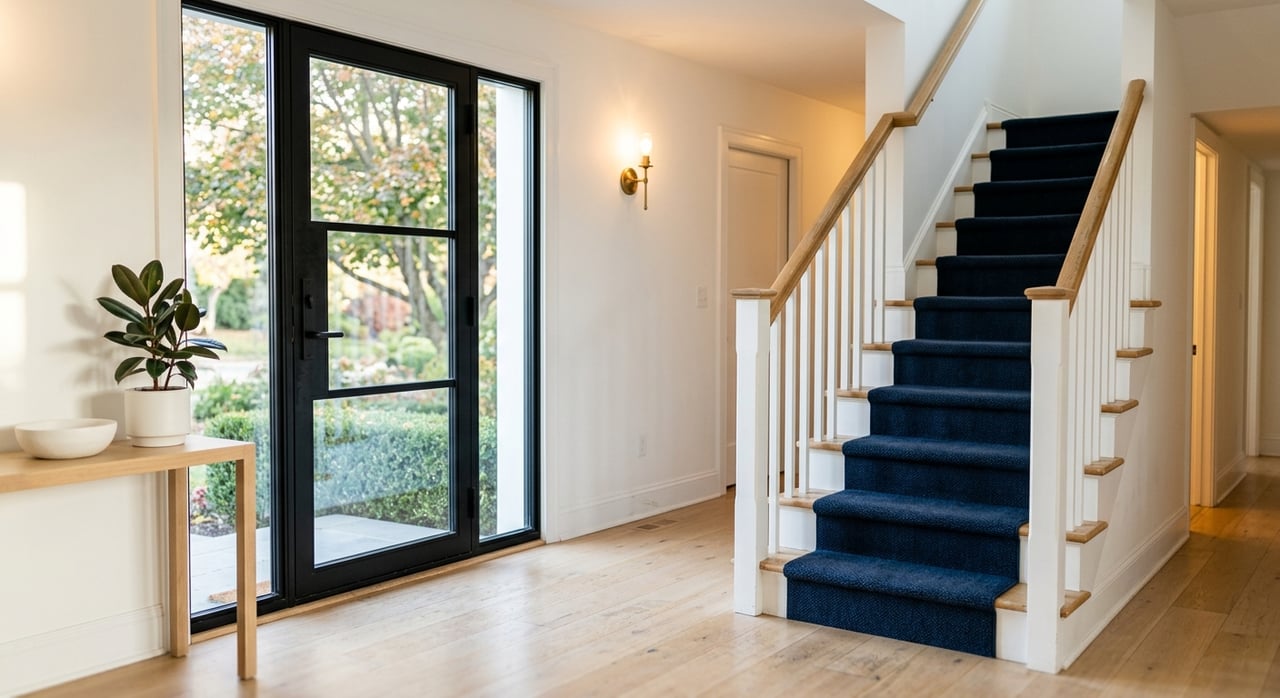
Selling In The South Metro To Move West: How To Plan It
If you’re selling in Bloomington’s 55431 area so you can move west, the hardest part usually is not deciding where you want to go. It is figuring out how to sell, buy, and move without creating a stressful gap between homes. In a market that still rewards preparation and pricing discipline, your plan matters just as much as your timing. Here’s how to map out the move with more clarity and fewer surprises. Let’s dive in.
When you’re moving from the South Metro to the West Metro or Lake Minnetonka area, your sale and your purchase need to work together. For many repeat buyers, the equity in their current home helps fund the next one. In fact, the 2025 buyer and seller profile found that 54% of repeat buyers used proceeds from a previous home sale for their next purchase.
That means your first step is not touring homes. It is building a timeline that shows when you expect to list, accept an offer, close, and take possession of your next home. If you have owned your home for several years, you may have meaningful equity to work with, but you still need a realistic plan for how and when those funds become available.
Twin Cities market data shows a market that is active, but not ultra-fast. Minneapolis Area REALTORS® reported a median sales price of $375,000 in January 2026, with 64 days on market and 2.0 months of supply. The prior month was similar, with a $380,000 median sales price, 58 days on market, and 1.9 months of supply.
That matters because you should not assume your current home will sell instantly. Weekly Pulse data also showed showing activity down 17.6% year over year in early February 2026, even though homes priced between $300,000 and $400,000 captured the largest share of showings. For a South Metro seller, that points to a simple truth: strong preparation and realistic pricing still attract attention, but weak presentation is less likely to be overlooked.
If you want a smoother move west, your current home needs to enter the market in strong condition. Buyers are still active, but they are comparing options more closely. A thoughtful launch can help you protect both your price and your timeline.
A pre-sale inspection is optional, but it can help you spot issues before buyers do. The National Association of Realtors says sellers may want to uncover repair concerns early, estimate costs for major items, and decide what to address before showings begin. That gives you more control and fewer last-minute surprises during negotiation.
You should also plan for cleaning, decluttering, and curb appeal before photos and showings. These steps sound basic, but they directly affect first impressions. In a market where buyers are not rushing past every flaw, clean presentation can make a measurable difference.
Staging is not just about making a home look attractive. In 2025 staging research, 83% of buyers’ agents said staging made it easier for buyers to visualize a property as a future home. Sellers’ agents also reported that staging often helped reduce time on market, and some saw offer values increase by 1% to 10%.
For many South Metro homes, the most important rooms to focus on are the living room, primary bedroom, dining room, and kitchen. This design-first approach aligns especially well with a move-up strategy, because your goal is not only to sell, but to sell in a way that supports your next purchase. Thoughtful preparation can help you stand out while the market remains balanced rather than frenzied.
One of the smartest ways to reduce stress is to start paperwork before your home is live. Minnesota requires sellers to provide written disclosure of material facts they know that could adversely and significantly affect an ordinary buyer’s use and enjoyment of the property. If you wait until the last minute, the disclosure process can slow your launch.
If your home was built before 1978, federal lead-based paint disclosure rules also apply. Sellers must disclose known lead-based paint or hazards before the contract is signed, and buyers must be given a 10-day opportunity to conduct a paint inspection or risk assessment.
Minnesota sellers should also think about radon early. The Minnesota Department of Health says every Minnesota home should be tested for radon, and that more than two in five homes in the state have radon levels that pose a significant health risk. Even if your home has been tested before, it helps to review your records and discuss next steps with your real estate professional.
Because disclosures, inspection timing, and negotiation all connect, it is wise to confirm the details with your agent and, when needed, a title company or attorney. A little preparation on the front end can protect your timeline later.
It is easy to fall in love with a home in Excelsior, Minnetonka, Chanhassen, or the Lake Minnetonka area before your sale plan is fully built. But if your current home needs to fund part of your next purchase, financing should be organized early. That helps you shop with confidence and avoid chasing homes that do not fit your actual timing.
A preapproval letter is useful, but it is not a guaranteed loan offer. The CFPB notes that preapprovals are typically tentative and often expire in 30 to 60 days. If you want to compare lenders, rates, and terms, the CFPB also recommends getting at least three preapprovals in a short period.
For a move from 55431 to the West Metro, ask your lender to review your expected net proceeds from the sale, your estimated cash needed at closing, and how your purchase options may change depending on your listing timeline. This kind of planning can shape whether you should buy only after your sale closes or whether you may have flexibility to act sooner.
In some cases, a lender may discuss temporary financing tools. The CFPB defines a bridge loan as a temporary loan of 12 months or less, including a loan used to buy a new home while the borrower plans to sell the current one within 12 months. The CFPB also explains that HELOCs are common second mortgages.
These options are highly lender-specific. Whether they make sense depends on your equity, debt, income, and risk tolerance. If your lender raises either option, ask how it affects your monthly obligations, cash reserves, and flexibility if your current home takes longer to sell than expected.
The next step is matching your purchase offer terms to your sale plan. This matters because your ideal home in the West Metro may come on the market before your South Metro sale is complete. The right contingency structure can help protect you, but it needs to be understood clearly.
A home-sale contingency can give you time to sell your current home before your purchase moves forward. A home-close contingency can give you time to actually close that sale. According to the National Association of Realtors’ contingency guide, sellers may continue showing the property during this time, and a kick-out clause may allow the seller to accept another stronger offer under certain terms.
That does not mean contingencies are bad. It means you should understand how competitive they may feel to the other side in the specific submarket where you are buying. South Metro, West Metro, and Lake Minnetonka area conditions can differ, so your strategy should be local rather than one-size-fits-all.
If your South Metro home sells before your next home is ready, a rent-back agreement may help bridge the gap. NAR notes that a rent-back clause can allow a seller to remain in the property after closing if both parties agree. This can be useful when your sale is on track, but your next home’s timeline is just a little behind.
Not every buyer will agree to it, and terms vary by contract. Still, it is one more tool that can make a complex move feel more manageable when used carefully.
Closing day is not just about signatures. It is also about having your home fully ready for the buyer’s final walk-through. Freddie Mac notes that the final walk-through usually happens within 24 hours before closing, and the seller should have fully vacated the property and left it in the condition promised in the contract.
That makes storage, movers, and packing timelines more important than many sellers expect. If you are trying to coordinate one closing in the South Metro and another in the West Metro, even a one- or two-day mismatch can create stress if you do not prepare for it ahead of time.
One of the biggest mistakes move-up sellers make is treating the Twin Cities as a single market. Current research points to a more fragmented environment, where local cycles can differ from one area to another. What works for a home in Bloomington may not match the pace or pricing dynamics of a home near Lake Minnetonka.
That is why local strategy matters. Your South Metro home needs a pricing and presentation plan suited to its buyer pool, while your next-home search should reflect conditions in the specific West Metro communities you are targeting. A coordinated plan helps you make clearer decisions on both sides of the move.
Selling in 55431 so you can move west is really a two-part transition. You are not just trying to maximize your sale price. You are also trying to protect your buying power, reduce timing risk, and keep the move as smooth as possible.
That is where hands-on planning makes a difference. With thoughtful preparation, realistic pricing, strong presentation, and a contract strategy that fits your goals, you can move from the South Metro to the West Metro with a lot more confidence. If you’re thinking about making that move, Trenary Realty Group can help you create a smart plan for both sides of the transition.
Stay up to date on the latest real estate trends.




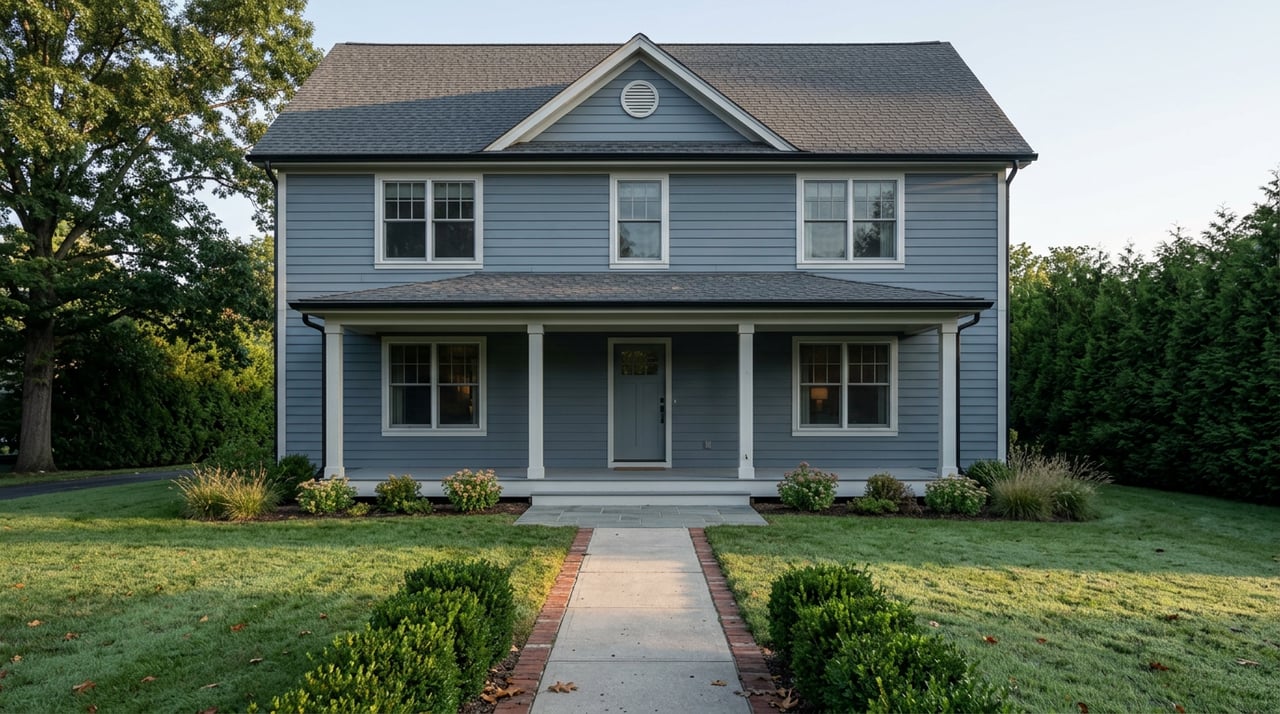
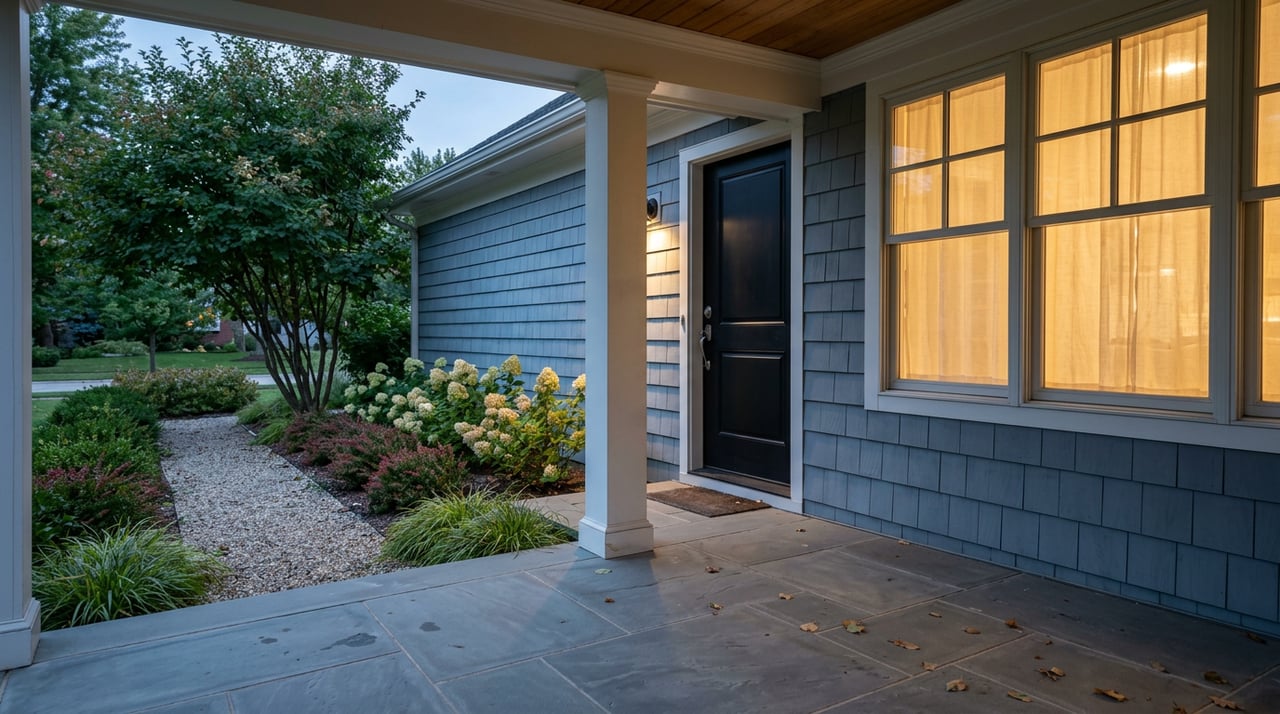
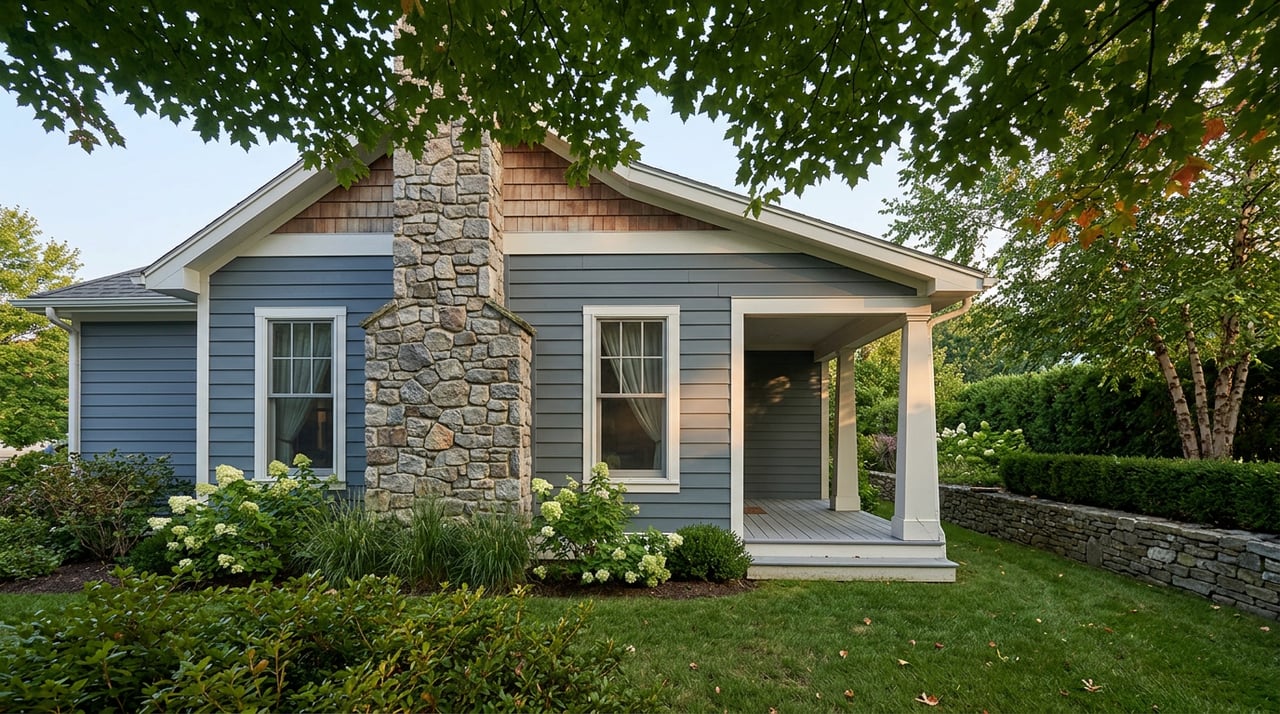

For over 35 years, Trenary Realty Group has been leading the industry with a proven track record of consistent results. Whether you're buying, selling, or building, our experienced team is here to guide you through every step of your real estate journey.