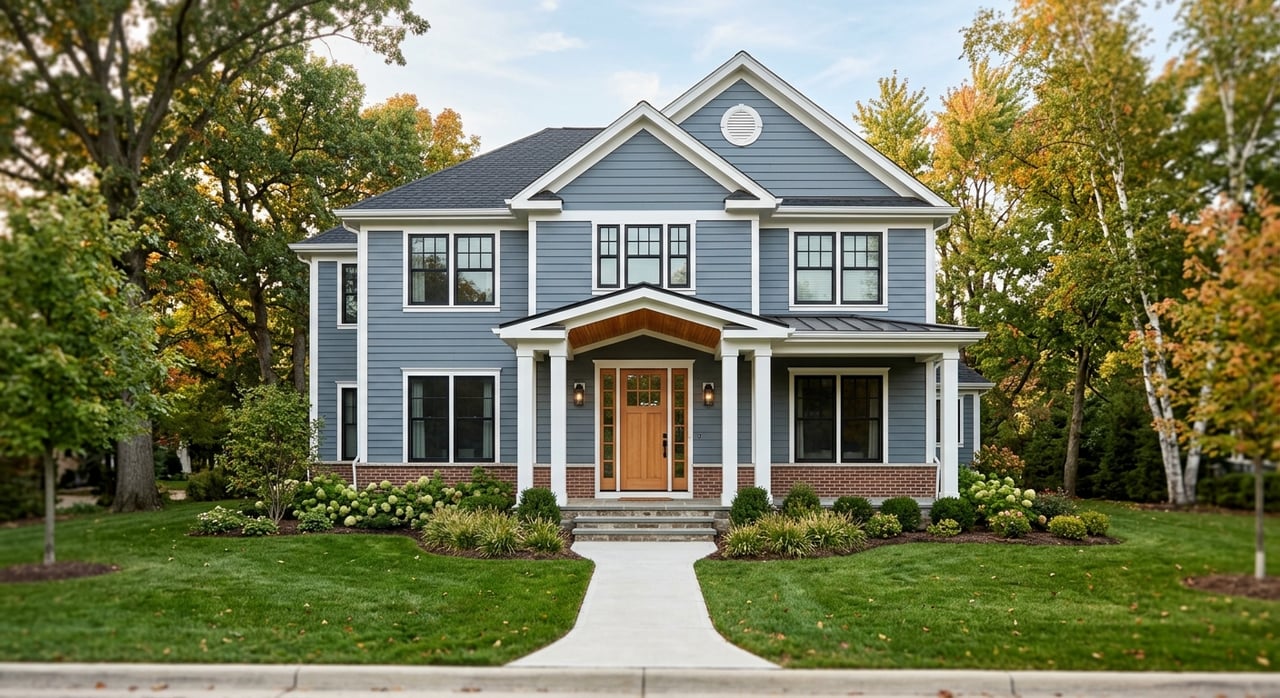
Living in the Twin Cities Metro: A Practical Guide
Wondering what daily life in the Twin Cities Metro really feels like? If you are planning a move to the area, it helps to know that this is not a one-note city experience. You get a large, connected region with distinct communities, real four-season weather, practical commute options, and a lifestyle shaped by both convenience and the outdoors. Let’s dive in.
The Twin Cities Metro is big enough to offer variety, but it often feels more connected than overwhelming. The Minneapolis-St. Paul-Bloomington metro has about 3.76 million residents spread across more than 7,000 square miles, with over 1.5 million households.
That scale means your day-to-day life may not revolve around a single downtown. Instead, many people move through a network of neighborhoods, suburbs, job centers, parks, shopping areas, and activity hubs across the region.
For many buyers and relocators, that is part of the appeal. You can often find a lifestyle that fits your priorities, whether you care most about access to outdoor space, commute patterns, housing options, or proximity to shopping and travel.
If you are looking specifically at 55435, you are looking at a compact pocket within the broader metro. This ZIP code has 14,192 residents in about 3 square miles, along with 8,162 housing units.
Compared with the larger region, 55435 feels more established and concentrated. It is not a far-edge growth area. It reads more like a built-in part of the metro where you can plug into the wider Twin Cities network while still living in a defined local area.
The area also has a highly educated population, with 62.6% of adults holding a bachelor’s degree or higher. That does not tell you everything about day-to-day life, but it does suggest a market where many buyers and sellers tend to be informed, research-driven, and thoughtful about housing decisions.
One of the first things to expect in the Twin Cities is a true four-season climate. According to NOAA normals for the Minneapolis-St. Paul airport, the annual mean temperature is 46.9°F, with about 31.62 inches of precipitation and 51.2 inches of snowfall each year.
Winter is not a brief interruption here. January’s mean daily temperature is 22.0°F, so cold and snow are regular parts of the season rather than rare events.
Summer brings a very different rhythm. July’s mean daily temperature is 74.3°F, which gives you warm-weather months that support outdoor dining, park use, trail time, and lake activity across the region.
Late spring and summer also tend to be the wettest stretch of the year. June averages 4.58 inches of precipitation, and August averages 4.34 inches, so it is smart to think about weather in your weekend plans, commute habits, and home upkeep routines.
If you are relocating from a milder climate, the biggest adjustment is usually not just the temperature. It is the fact that weather shapes your schedule, your wardrobe, and how you use your home.
In winter, you should expect snow management and cold-weather driving to be part of normal life. In the warmer months, you will likely spend much more time outdoors, but you will still want to plan around rain and changing conditions.
For homeowners, this also means thinking practically about maintenance through every season. In the Twin Cities, homes and routines work best when they are built for year-round weather rather than just one ideal season.
Commute times in the Twin Cities are fairly reasonable for a metro of this size. The average commute is 24.1 minutes across the region and 24.9 minutes in 55435.
That can be encouraging if you want access to a large metro without the daily feel of extreme travel times. Still, where you live matters because this is a region made up of many employment and activity nodes rather than one central destination.
Driving remains a major part of life here. MnDOT’s Metro District notes that growth in the eight-county Twin Cities area is expected to generate 15 million trips and 86 million vehicle-miles traveled per day between 2000 and 2030.
A Census Bureau table from 2019 also found that 4.5% of metro workers commuted by public transportation, compared with 12.0% in Minneapolis. That helps explain why the broader metro still feels car-oriented overall, even with meaningful transit options in core areas.
Even though many households still rely on driving, transit is a real part of the transportation picture. In 2024, Metro Transit delivered more than 47 million rides, and buses averaged about 70,000 weekday boardings.
Entering 2026, the METRO system includes Blue and Green light rail lines plus eight bus rapid transit lines. Metro Transit also offers buses, microtransit, and resources for carpooling, vanpooling, biking, and walking.
For you, that can mean more flexibility in how you move through the metro, especially if your routine connects with transit-served areas. The key is to think about your commute as a location decision, not just a mileage question.
The Twin Cities housing base is large enough to support a wide range of life stages and property types. Across the metro, there are 1,591,390 housing units, and the median owner-occupied home value is $384,300.
In 55435, there are 8,162 housing units, and the median owner-occupied value is $361,300. That local number suggests a market that sits within reach of the broader metro while still offering its own housing profile.
For buyers, this variety is important. Across the Twin Cities, you can find different price points and home styles depending on the community, from more compact residential pockets to higher-end suburban and lakeshore areas.
For sellers, the size of the market can also be a strength. A large metro often brings a broad buyer pool, but presentation, pricing, and neighborhood positioning still matter if you want your home to stand out.
One of the clearest lifestyle advantages in the Twin Cities is outdoor access. This is not a place where parks and trails feel like an afterthought.
The Minneapolis Park and Recreation Board says the Grand Rounds system includes 102 miles of trails, 22 lakes, 185 park properties, and 7,059 acres of parkland and water. That kind of infrastructure supports everyday recreation, not just occasional weekend outings.
Three Rivers Park District adds even more regional access, with more than 240 miles of off-road bike and hike trails and over 80 miles of groomed cross-country ski trails. In practical terms, that means outdoor activity can stay part of your routine in every season.
If you enjoy walking, biking, running, paddling, or winter recreation, the Twin Cities makes those activities easier to weave into normal life. You do not always need a special trip or a long drive to get outside.
That shapes how many people experience the region. Even in a large metro, access to trails, lakes, and park systems can make daily life feel more balanced and connected to the season.
The Twin Cities also offers strong day-to-day convenience. Mall of America, located nearby in the south metro, describes itself as the biggest mall in North America, with more than 520 stores and 50-plus dining options, along with major attractions like Nickelodeon Universe.
Whether or not you plan to visit often, this reflects a larger point about the metro. You have access to major retail, entertainment, and services without needing to live in an ultra-dense urban core.
Travel is another practical advantage. MSP Airport serves 15 commercial passenger airlines and offers public transit connections and covered parking, which can make business and leisure travel easier to manage.
The Twin Cities Metro can work well for many types of buyers and relocators, but it tends to be especially appealing if you want a balance of space, access, and activity. You get the benefits of a major region without everything feeling compressed into one central district.
You may feel especially at home here if you are looking for:
If 55435 is on your radar, you can expect a compact, established area that connects easily to the broader metro. It offers a more local footprint while still putting you near the wider opportunities that make the Twin Cities attractive.
Before you buy or rent in the Twin Cities, it helps to think beyond the headline features. The right fit often comes down to how you want to live day to day.
Start with a few practical questions:
Those questions can help you narrow your options faster. In a large, connected metro like this one, the best move is usually the one that matches your routine as much as your budget.
If you are exploring a move within the west metro, south metro, or the broader Twin Cities area, working with a local team can make the search much more focused. From lifestyle fit to housing strategy, clarity matters.
When you are ready for thoughtful local guidance, connect with Trenary Realty Group to explore your next move with a team that knows how to match people with the right place.
Stay up to date on the latest real estate trends.



For over 35 years, Trenary Realty Group has been leading the industry with a proven track record of consistent results. Whether you're buying, selling, or building, our experienced team is here to guide you through every step of your real estate journey.