Buying Lake Minnetonka Waterfront Homes: Local Rules & Risks
Buying a Lake Minnetonka waterfront home can feel exciting right up until you realize the lake does not follow one simple rulebook. A beautiful shoreline, a dock, and open water views do not tell you everything you need to know about permits, water depth, shoreline work, or seasonal conditions. If you want to buy confidently in the Lake Minnetonka Country Club area, it helps to understand the local rules and the real risks before you write an offer. Let’s dive in.
Lake Minnetonka is a layered waterfront market, not a standard suburban home search. The Lake Minnetonka Conservation District coordinates across 14 cities, two counties, and multiple state and local agencies, which means rules can vary depending on the exact parcel.
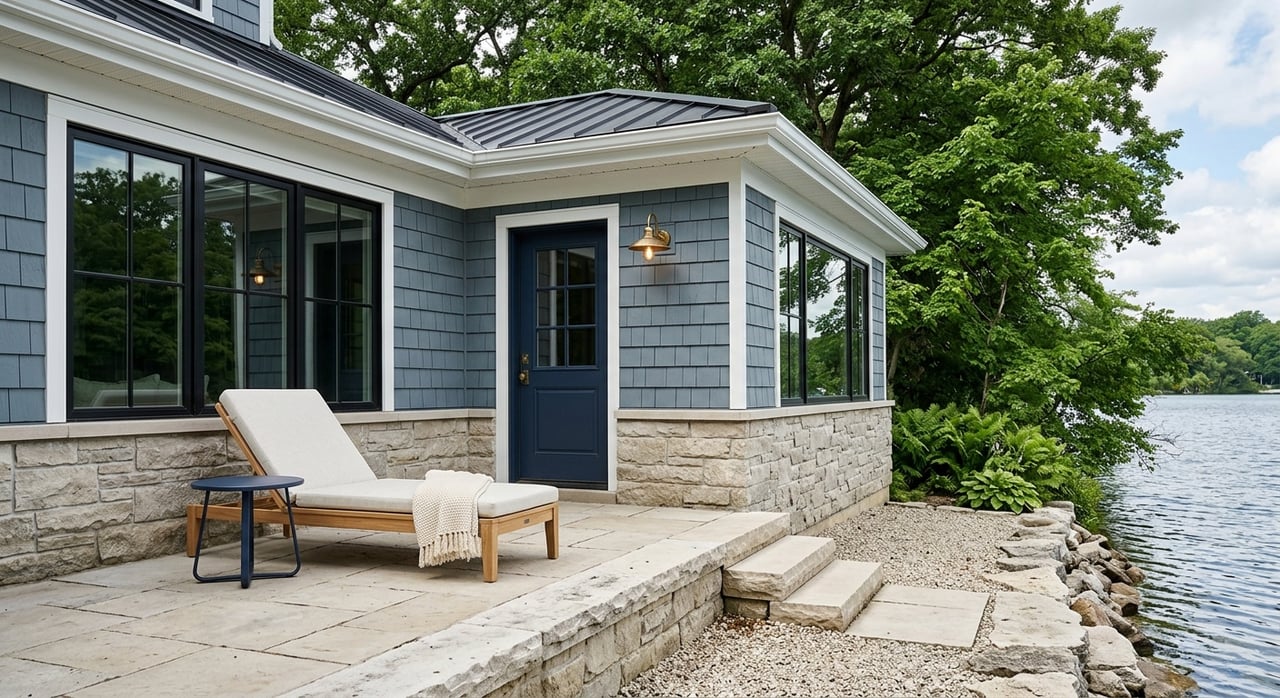
That matters because a waterfront home's value is tied to how you can actually use the shoreline. A property may look ideal online, but your day-to-day experience can change based on dock placement, water depth, shoreline conditions, and local approvals.
According to the LMCD water overview, Lake Minnetonka includes 42 bays with differences in depth, surface area, and water quality. Even homes on the same lake can offer very different boating, swimming, and docking conditions.
The lake’s ordinary high water level is 929.4 feet, and levels can change by season and from year to year. In practical terms, a dock that works well in early summer may feel very different by late summer or fall.
LMCD notes that low water is declared when the lake falls below 928.0 NGVD, while high-water restrictions can be triggered in the low 930s. Those changes can affect shoreline safety, dock access, and how easily you can get a boat in and out.
For buyers, this is a reminder to look past the view. You want to understand how the shoreline functions under normal, low, and high-water conditions, not just how it looks during a showing.
Waterfront purchases often hinge on details that do not come up with a typical home. On Lake Minnetonka, some of the most important questions involve the dock, shoreline work, and which agencies regulate the property.
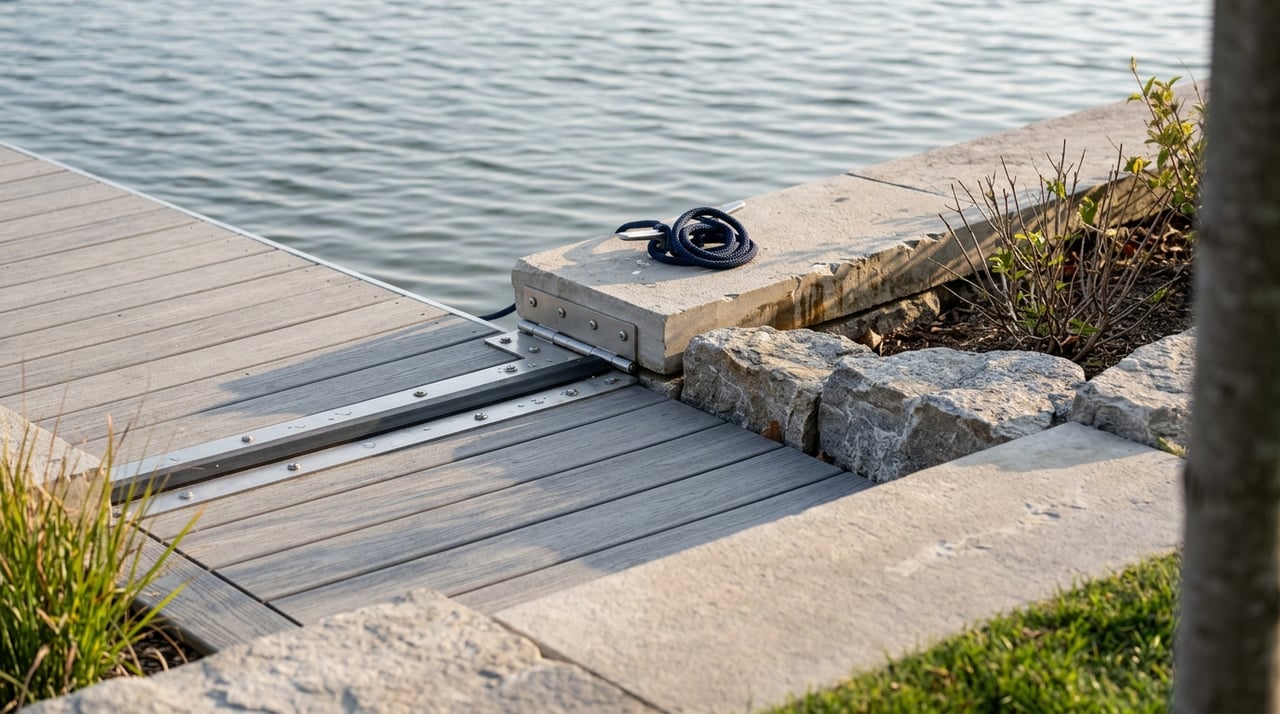
The LMCD shoreline owner guidance explains that docks, structures, and watercraft must stay within an authorized Dock Use Area based on shoreline setbacks and projected length into the lake. For many single-family homes, annual permits are not required, but permits or licenses may still apply in certain situations.
Examples include five or more watercraft, permanent docks installed with machine-driven pilings, dock extensions during declared low-water conditions, and some nonconforming docks or moorings. If a seller says the dock setup is “grandfathered” or has always been used a certain way, that history should still be verified.
If you are thinking ahead to shoreline improvements, do not assume you can make changes after closing without review. The Minnesota DNR states that shoreland rules are administered through local government ordinances, not just at the state level.
The Minnehaha Creek Watershed District regulates many land-disturbing activities, including stormwater management, erosion control, dredging, shoreline stabilization, wetland protection, and floodplain alteration. If a property may need riprap, drainage changes, or dredging, early review is essential.
The DNR notes that a dock no more than 8 feet wide and built simply to reach navigable depth will rarely need a public waters work permit, as explained in its dock guidance. But that does not mean the dock is automatically compliant with all local rules.
On Lake Minnetonka, DNR guidance is only one layer. LMCD and local ordinances can still affect how a dock is configured and used.
Wake exposure is not just a boating issue. It can become a maintenance issue for your shoreline, dock, and long-term upkeep.
Under LMCD wake rules, boaters must follow a 5 mph or minimum-wake standard within 300 feet of shoreline and 150 feet of docks, anchored boats, swimmers, and diver warning flags. During high-water declarations, restrictions become tighter to help reduce shoreline damage.
A strong waterfront purchase is about more than aesthetics. You want to evaluate the physical condition of the shoreline, the practical use of the dock, and the records that support how the property has been used.
Both LMCD and the DNR point to wakes and water-level swings as causes of damage to docks and shorelines. LMCD also notes that water depth can vary significantly and sediment can build up over time, especially where a dock has not been used regularly.
That means a dock that looked fine during a tour may not perform the same way every season. It is smart to ask how the shoreline has held up over time and whether stabilization or dredging work has ever been needed.
Lake operations come with ongoing responsibilities. In the LMCD summer rules brochure, the lake currently has five identified aquatic invasive species: zebra mussel, Eurasian watermilfoil, curly-leaf pondweed, flowering rush, and purple loosestrife.
The DNR invasive species guidance requires boaters to clean plants and mussels, drain water, and dispose of bait properly. If you plan to move a dock, lift, or boat equipment, cleaning and drying requirements are part of your real-world ownership costs and logistics.
Water quality can vary significantly from one bay to another. LMCD states that each bay may differ, and conditions can also shift by season.
If swimming, shoreline appearance, or pet safety are important to you, you will want to ask more detailed questions about the specific bay and shoreline orientation. A broad “Lake Minnetonka” label does not tell the full story.
If a home is not connected to municipal sewer, septic due diligence should move high on your list. Hennepin County septic guidance says a home sale does not require a septic inspection, but sellers must disclose septic information under state law.
That means you should not treat the absence of a required inspection as reassurance. System age, maintenance records, and overall condition are all worth verifying before closing.
Waterfront property often carries title questions that affect actual use. Hennepin County property records and document research can help confirm deeds, mortgages, liens, parcel descriptions, sales history, and recently recorded documents.
This review matters because easements, parcel changes, and recorded restrictions may affect shoreline access or future plans. A home can have attractive frontage but still come with legal limitations that deserve careful review.
When you are serious about a Lake Minnetonka waterfront home, asking the right questions early can save time, money, and frustration later. Here are some of the most useful ones to raise during due diligence:
These questions help you move beyond the marketing photos and into the actual ownership experience.
Because Lake Minnetonka involves several layers of oversight, waterfront buying here benefits from local coordination. You may need to sort through LMCD guidance, city ordinances, watershed district rules, county records, and DNR requirements just to understand one property clearly.
That is where local experience becomes valuable. A buyer-focused, place-based approach can help you identify permit issues, usage limitations, and ownership costs before they become closing surprises.
If you are exploring waterfront homes around Lake Minnetonka Country Club or anywhere on the lake, Trenary Realty Group can help you evaluate the details behind the listing so you can make a more confident decision.
Stay up to date on the latest real estate trends.


For over 35 years, Trenary Realty Group has been leading the industry with a proven track record of consistent results. Whether you're buying, selling, or building, our experienced team is here to guide you through every step of your real estate journey.