Vacant vs Staged Home Sale Strategies for Twin Cities Sellers
If your home is empty and ready to list, you may be asking a very practical question: should you sell it vacant, or invest in staging first? In the Twin Cities, that choice can affect how buyers experience your home online and in person. If you are selling in 55435, where prices sit well above the broader metro median, presentation can carry real weight. Let’s dive in.
In ZIP code 55435, the February 2026 median sale price was $555,000, with homes taking a median of 63 days to sell and sellers receiving about 97.1% of list price. In the broader Twin Cities market, Minneapolis Area Realtors reported a median sales price of $380,000, 69 days on market, and 97.4% of original list price received.
That puts 55435 about 46% above the Twin Cities metro median price point. In a market like that, buyers often expect a polished presentation, especially when they are comparing listings online before they ever schedule a showing.
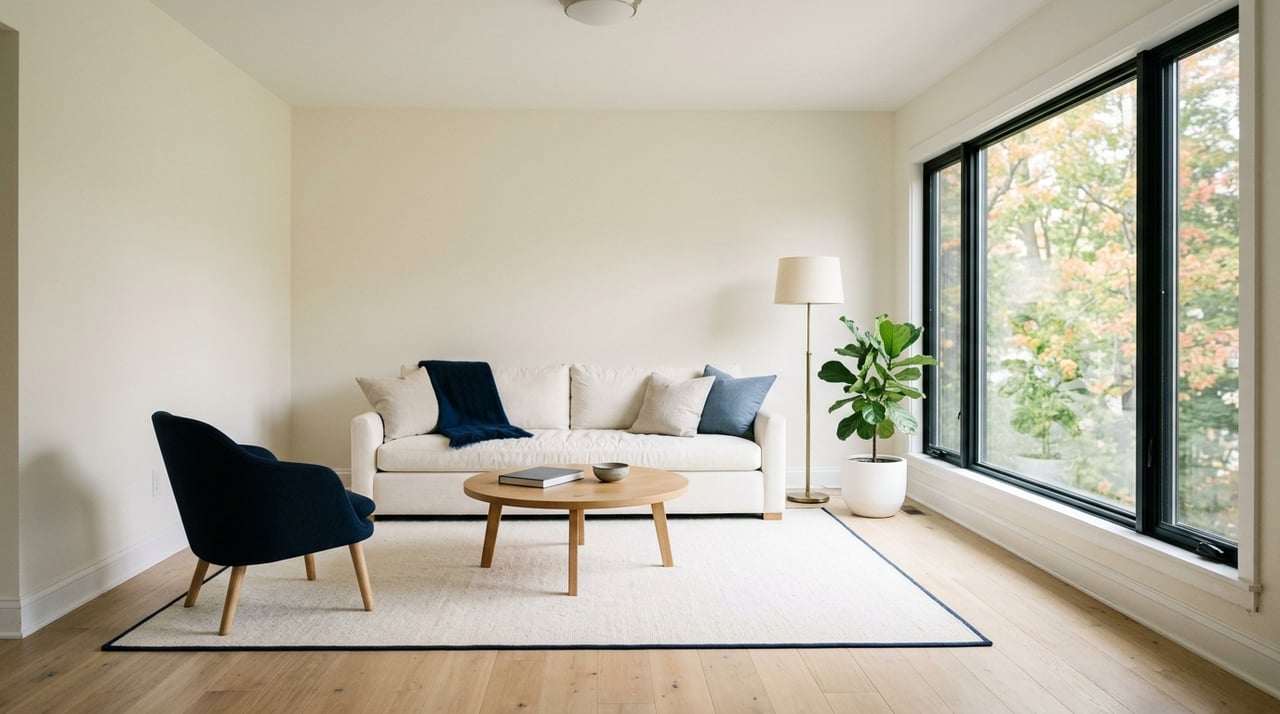
Staging is not just decorating for looks. The goal is to help buyers understand the scale, function, and feel of each room so they can picture themselves living there.
According to the National Association of Realtors’ 2025 staging snapshot, 83% of buyers’ agents said staging makes it easier for buyers to visualize a property as a future home. The same research found that 49% of agents said staging reduced time on market, while 29% said it led to a 1% to 10% increase in the dollar value offered.
At the same time, staging is not a guarantee. NAR also notes that some agents reported no price impact or were unsure, which means staging is best viewed as a strategic marketing tool, not a magic fix.
Selling a home vacant can make sense, especially if your top goal is keeping upfront costs down. Without furniture rental, styling, and setup, the listing process can feel simpler and faster.
But there is a tradeoff. NAR’s field guide to preparing and staging a house for sale notes that an empty home can create a weak first impression and may make rooms look smaller or harder to understand. Buyers may struggle to judge how a living room functions, where a dining table fits, or whether a bonus area has a practical use.
That challenge starts online. If your listing photos show large empty rooms with no visual cues, buyers may scroll past before they ever decide to visit.
For many sellers in 55435, staging is the better option, especially when the home is vacant. That is even more true if your home has an awkward layout, minor cosmetic wear, or a price point where buyers expect stronger visual presentation.
NAR defines staging as adding aesthetically pleasing furniture, accessories, and décor, but it also emphasizes that not every home needs a full transformation. When time or budget is limited, the priority rooms are often the ones buyers care about most.
The most commonly staged rooms are:
That research also shows that sellers’ agents most often focus on decluttering, whole-home cleaning, curb appeal, professional photos, paint touch-ups, and minor repairs. In other words, staging works best as part of a larger preparation plan, not as a standalone shortcut.
Cost matters, and it is one of the biggest reasons sellers hesitate. Based on NAR’s 2025 data, the median amount spent using a staging service was $1,500, while the median cost when the seller’s agent handled staging personally was $500.
That does not mean every home should be fully staged. It means you should weigh the expense against the likely benefit in your price range, your competition, and your home’s current condition. In 55435, where values are well above the metro median, the math often becomes easier to justify if staging helps your home show better from day one.
There are situations where selling vacant is the practical call. If minimizing upfront spend matters more than maximizing visual impact, a vacant listing may still be the right fit for your goals.
You may also lean vacant if your home already has a simple, easy-to-read layout that photographs well without furniture. In that case, strong prep work still matters. Cleanliness, minor repairs, touch-up paint, curb appeal, and professional photography remain essential.
Virtual staging can be a useful middle ground if your home is empty and full physical staging is not realistic. NAR notes that it can be especially helpful for vacant or still-inhabited homes because it gives buyers a clearer sense of how a space could function.
Still, virtual staging is a digital substitute, not a full replacement for in-person staging. It can improve photos, but it does not change the in-person showing experience once buyers walk through the door.
One of the most important takeaways from the research is that staging should happen before photography. NAR points out that your listing photos are effectively your first open house online, which is why timing matters.
That same NAR report found that sellers’ agents rated photos, videos, and physical staging as important presentation tools. The best results usually come from combining smart prep, thoughtful staging, and strong visual marketing rather than relying on just one element.
If you are weighing vacant versus staged, this simple framework can help:
For most sellers, the strongest process is straightforward. Prepare the home first, stage it second, photograph it third, and then go live.
A smart sequence looks like this:
That order helps ensure the home looks its best where buyers first encounter it: online.
In today’s Twin Cities market, supply is still relatively limited, but buyers are also price-conscious. That combination means presentation matters. In 55435 specifically, where home values are notably higher than the broader metro, staging often makes the most sense for vacant listings because it helps buyers connect with the home faster and more confidently.
That does not mean every seller needs a full-service staging package. It does mean that a thoughtful, design-led plan is often worth considering before your home hits the market. If your goal is premium presentation, stronger photos, and a listing that feels move-in ready from the first click, staging is often the better path.
If you are deciding how to position your home for the market, Trenary Realty Group can help you weigh the tradeoffs and create a prep strategy that fits your home, timeline, and goals.
Stay up to date on the latest real estate trends.
For over 35 years, Trenary Realty Group has been leading the industry with a proven track record of consistent results. Whether you're buying, selling, or building, our experienced team is here to guide you through every step of your real estate journey.