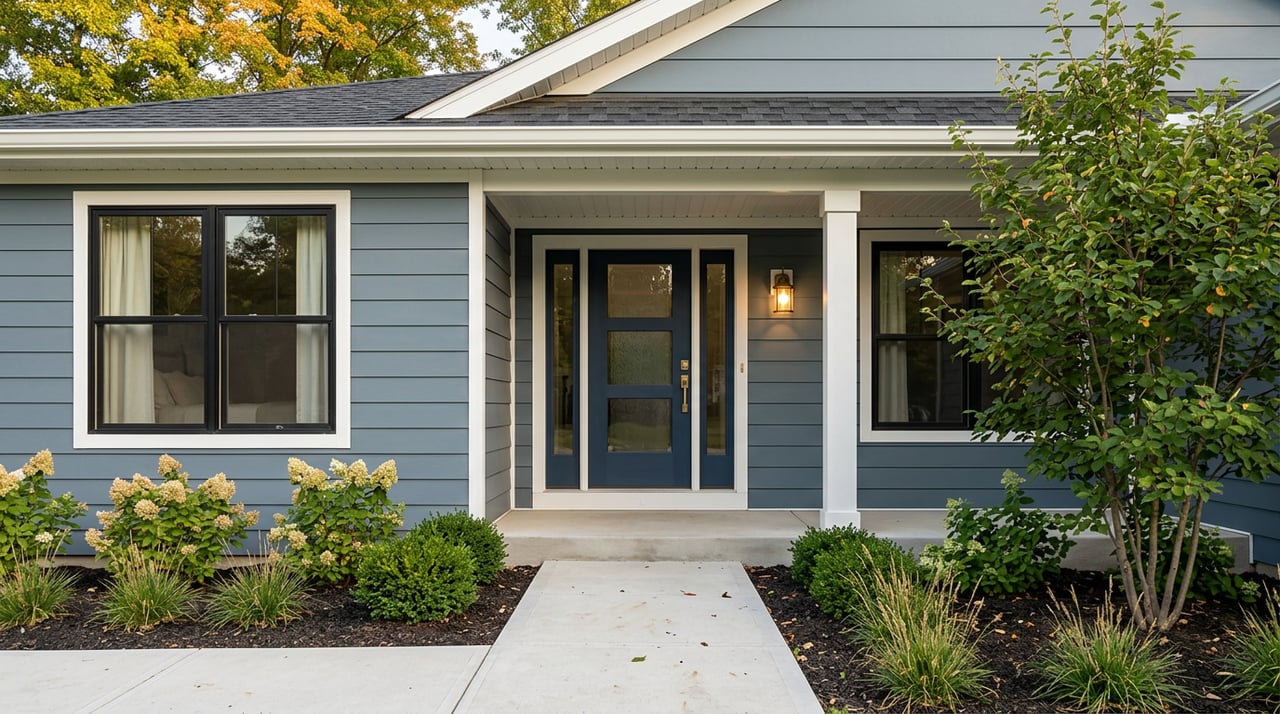
West Metro New Construction Guide for Lake Minnetonka Buyers
Thinking about building a new home near Lake Minnetonka but not sure where to start? You are not alone. Between lakeshore rules, septic questions, and builder contracts, it can feel like a maze. This guide gives you a clear, local roadmap for 55331 and the West Metro so you can move forward with confidence. You will learn how to vet a lot, choose financing and a builder, understand permits, plan your budget and timeline, and avoid costly missteps. Let’s dive in.
New construction in 55331 attracts buyers who want design control, modern systems, and proximity to the lake. You get the chance to tailor floor plans and finishes to how you live. The trade-off is a higher lot premium in lake areas and a longer path to move-in compared with buying an existing home. If you value top-tier materials, energy efficiency, and a lot that fits your lifestyle, building can be worth the wait.
Choosing the right parcel is the most important step. Use this due diligence list before you commit.
Identify the municipality that governs the property and how permits are issued. Many West Metro cities manage plan review and inspections through local portals. For example, the City of Mound explains its building permit and inspection process on its official site. Review local submittal requirements and fees early so you can plan the path to approval. You can see a typical municipal process on the City of Mound’s page for building permits and inspections.
Reference: City of Mound building permits and inspections process, a useful example for nearby communities (City of Mound permits).
If you plan to add or modify a dock or boathouse, verify feasibility before you write an offer. On Lake Minnetonka, dock use is governed by both your municipality and the Lake Minnetonka Conservation District (LMCD). Early in lot selection, confirm the property’s Authorized Dock Use Area, permitted dock length, and side setbacks. Start by reviewing the LMCD’s guidance for lakeshore owners and then confirm details with city staff.
Helpful resources: LMCD lakeshore and dock rules (LMCD lakeshore owners).
Minnesota’s shoreland program is administered by local governments with state guidance from the DNR. Setbacks, shore impact zones, bluff protections, and maximum impervious surface limits can shape what and where you can build. These standards vary by waterbody classification and by city ordinance, so verify them for each parcel.
Background reading: State shoreland guidance for property owners (MN DNR shoreland).
Do not assume a sewer connection is available. Some parcels around the lake rely on a Subsurface Sewage Treatment System (SSTS). If a septic system is required or likely to be replaced, consult Hennepin County’s SSTS program during your inspection period. Septic design, soils, and setbacks can change feasibility, cost, and timeline.
Start here: Hennepin County septic program and permit steps (Hennepin County SSTS).
Wetlands are common near the lake and can limit buildable area. Filling or altering wetlands typically requires approvals at the local and county level, and sometimes at the state level. A wetland delineation may be required before permits, so plan this into your schedule and budget.
Reference rule text: Minnesota wetland standards that affect build feasibility (MN Rules 6120.3300).
Steep slopes, shallow bedrock, and mature trees are common around Lake Minnetonka. Order soil borings and a basic geotechnical report under contract or earlier if you are buying raw land. These findings guide septic design, footing depth, retaining walls, and drainage. Build in time and budget for grading, erosion control, and potential rock removal.
Construction financing is different from a standard mortgage. Lenders typically offer three structures:
Construction loans usually run 12 to 18 months with funds released in draws tied to progress inspections. Compare lenders on their construction experience, draw schedules, and extension policies. For an overview of how these loans work, review this consumer guide to construction loans (construction loan types).
Most buyers pick from three paths:
Interview multiple firms. Ask to tour past projects that match your style and budget. Verify who manages selections, schedules, and onsite supervision.
Minnesota requires most residential contractors to be licensed and insured. Always verify licensure through the state and request certificates of insurance. This basic step helps manage risk and sets a professional tone for the project. Learn more about licensing and consumer guidance when hiring contractors (MN DLI contractor licensing).
Get detailed scopes and specifications in writing. Request clear allowances with selection deadlines, a change-order process with defined markups, a draw schedule tied to inspections, and closeout steps. Minnesota also provides statutory warranties for new construction that cover workmanship, systems, and major structural components. For consumer protections and contract tips, review the state’s Home Building and Remodeling handbook (MN Attorney General guide).
Expect multiple permits: building, electrical, plumbing, mechanical, erosion control, and possibly septic. Shoreland projects often require added reviews. Cities in the West Metro outline submittal requirements and inspection milestones on their official sites. Your lender will typically require a certificate of occupancy before converting your construction loan to permanent financing or closing on a spec home.
Every site and design is different, but these planning figures will help you set expectations.
For regional context on timelines and process elements, review a Minneapolis-focused planning guide (local new-build timeline context).
Per square foot pricing varies widely by finish level, design complexity, and site conditions. Mid-range custom work often falls in the low to mid hundreds per square foot in the Twin Cities, with luxury projects higher. Always verify with current builder bids and material quotes.
Primary cost drivers to watch:
Build a contingency into your budget. Industry practice often targets about 3 to 5 percent for lower risk scopes and 10 percent or more for complex custom projects. Keep separate allowances for finishes, then update them as selections are made. A thoughtful contingency protects you from surprises such as rock excavation or material price swings.
A skilled West Metro agent can save you time and prevent costly missteps.
If you want a trusted guide from lot search to final walk-through, connect with the local team that lives and works here. Reach out to Trenary Realty Group to start planning your West Metro new build with clarity and confidence.
Stay up to date on the latest real estate trends.



For over 35 years, Trenary Realty Group has been leading the industry with a proven track record of consistent results. Whether you're buying, selling, or building, our experienced team is here to guide you through every step of your real estate journey.