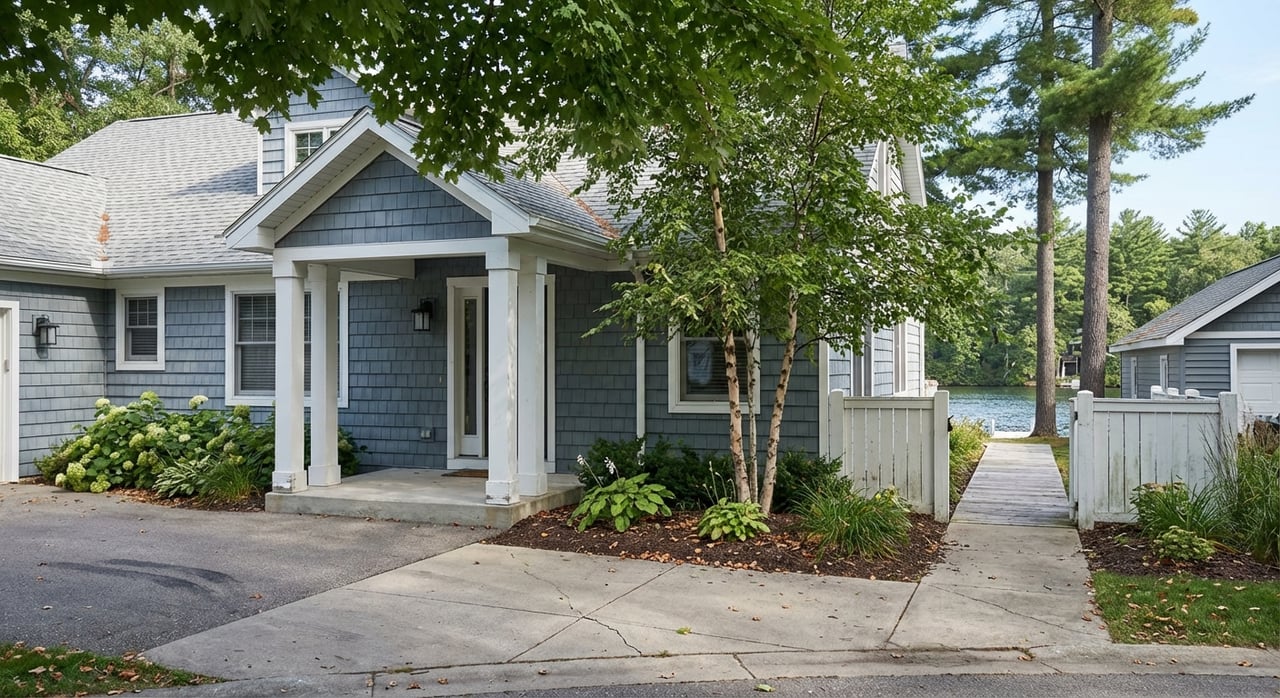
Lake Minnetonka vs West Metro: Choosing Your Ideal Home
Do you picture morning coffee on a dock or prefer an easy drive to errands and schools? Around ZIP 55331, you can choose true lakeshore on Lake Minnetonka or an inland West Metro neighborhood a few minutes from daily essentials. Both paths offer real advantages, and the right fit depends on your lifestyle, budget, and tolerance for upkeep. In this guide, you’ll compare everyday life, prices, schools, commutes, and ownership costs so you can move forward with confidence. Let’s dive in.
ZIP 55331 stretches across several towns on the south and southwest sides of Lake Minnetonka, including Excelsior, Shorewood, Deephaven, Tonka Bay, and parts of Orono and Minnetrista. Because it blends inland streets with shoreline parcels, the zip’s averages hide big differences by block and bay. That is why you should confirm the specific city or neighborhood when you look at data for 55331. For a quick snapshot of the zip’s coverage and commute profile, review the 55331 summary on City-Data.
Lake Minnetonka itself is large and varied, with about 14,500 acres of water and more than 100 miles of shoreline depending on how you measure it. Different bays act like their own micro‑markets, which is why prices and experiences vary from Wayzata Bay to Halstead Bay. If you are comparing locations, it helps to treat the lake as a collection of distinct submarkets rather than one single market. You can get a helpful overview of the lake’s geography on Wikipedia’s Lake Minnetonka page.
Inland West Metro suburbs like Minnetonka, Plymouth, Edina, Eden Prairie, and Hopkins offer a wide range of single‑family homes, townhomes, and condos. City‑level market snapshots show typical single‑family medians in the mid‑$400k to $500k range across Minnetonka, with entry‑price options for condos and townhomes below that in many areas. By contrast, direct lakefront and many lake‑listed properties commonly start near or above seven figures, with a wide spread by bay and community.
Water access drives day‑to‑day life on the lake. Many homes have private docks, expansive views, and summer routines built around boating and lakeside gatherings. Walkable downtowns like Excelsior and Wayzata add dining, shops, and parks on or near the waterfront, even if your own home is tucked on a quiet bay.
Public access points, municipal marinas, and beaches exist around the lake, but access differs by town and shoreline. The Lake Minnetonka Conservation District (LMCD) publishes boating safety rules, seasonal declarations, and waterway maps that shape on‑water life. If you want a sense of navigational channels and no‑wake areas, start with LMCD’s water resources and rules and lake maps.
Waterfront ownership brings seasonal tasks. Many owners handle dock installation and removal, plan for shoreline stabilization, and keep an eye on LMCD high‑ or low‑water declarations that can affect dock length and use. To understand how summer rules can work in practice, review LMCD’s seasonal guidance summarized in this summer rules overview.
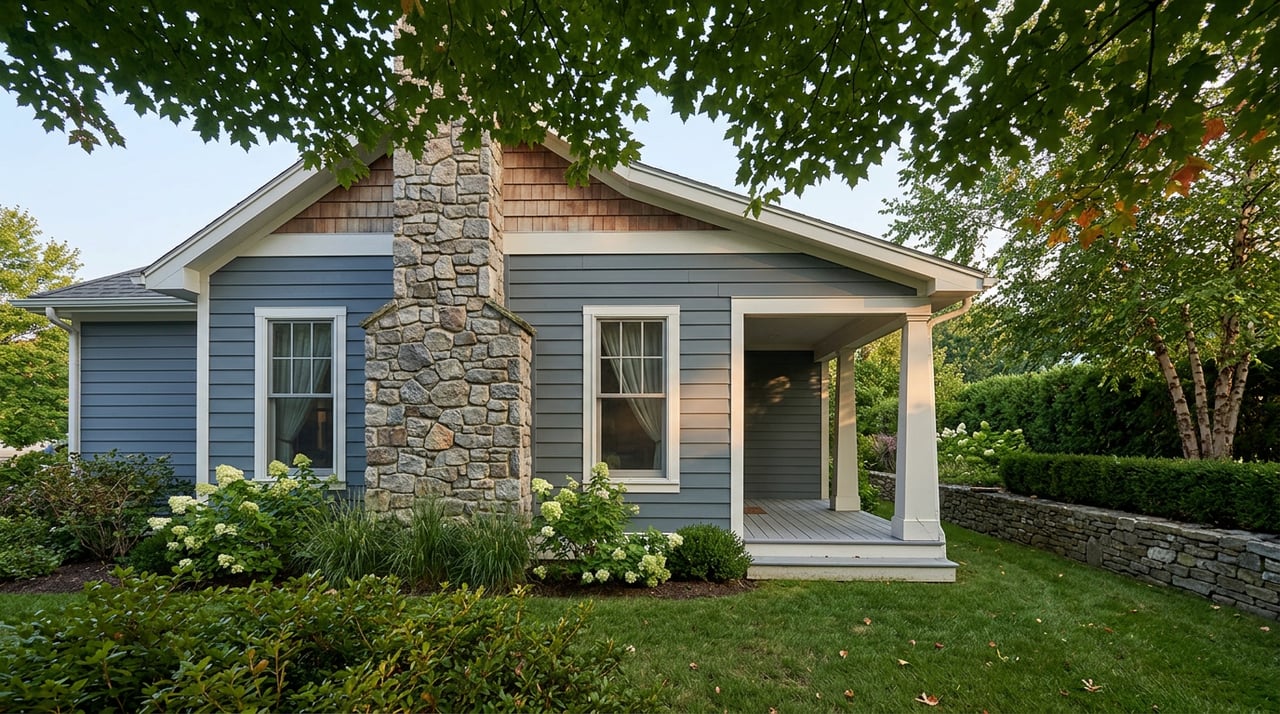
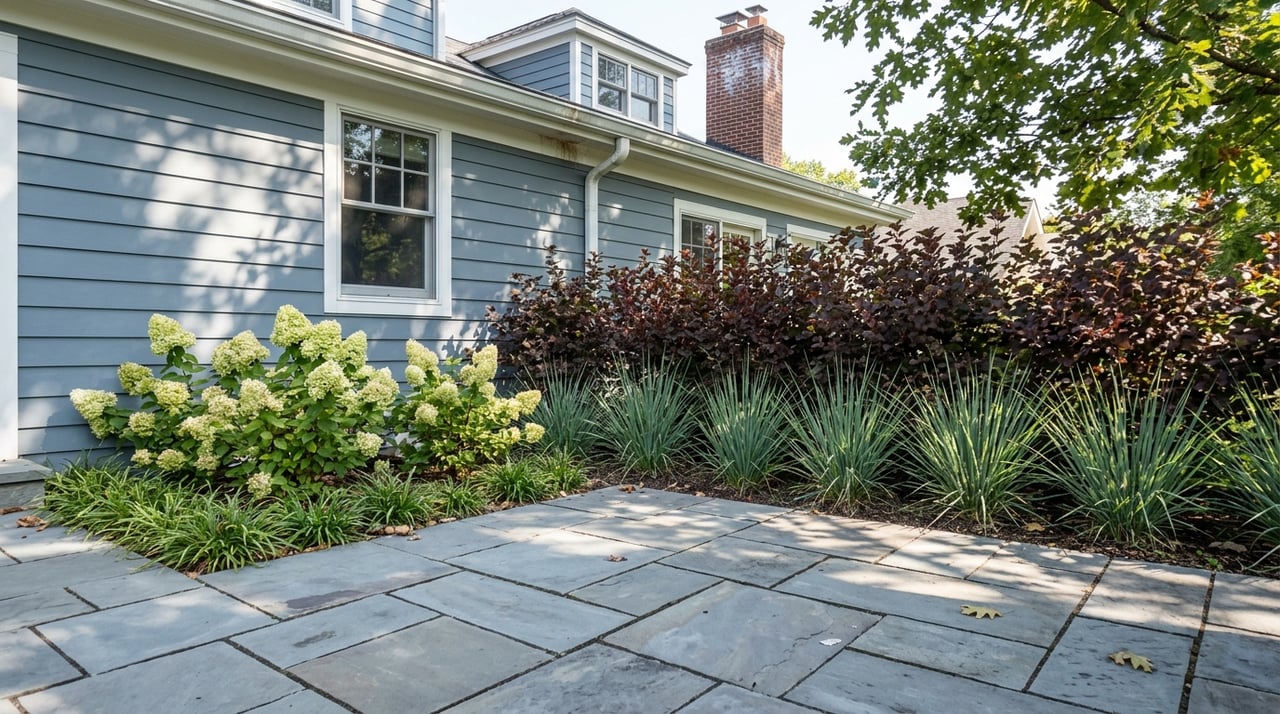
Inland neighborhoods trade dock work for simple lawn care and year‑round convenience. You will find larger retail centers, business parks, and everyday services nearby, from Ridgedale to the West End. For a sense of a major retail hub’s location and transit access, check the Ridgedale Mall East Entrance stop details on Moovit.
If you love lake energy but do not need private frontage, walkable lake‑town cores like Wayzata and Excelsior let you enjoy waterfront dining and parks without the lakefront price tag. Many buyers choose this balanced approach to get the vibe with lower ownership costs and simpler maintenance.
Because 55331 mixes inland and lakeshore product, you will see a wide spread in list and sale prices. Here is a high‑level, illustrative way to think about budgets based on recent market snapshots:
Inventory on the lake tends to be tighter and more seasonal, so plan for fewer comparable sales and longer decision cycles than inland. When active lakefront inventory rises, buyers often gain negotiating leverage. Since each bay behaves differently, it pays to review comparables and seasonality with a local specialist.
The 55331 area crosses several public school districts, including Westonka (Mound‑Westonka), Minnetonka Public Schools, Wayzata Public Schools, and some Orono and Chaska/Chanhassen areas. These boundaries can cut through neighborhoods, so you should verify the exact school assignment by property address using district lookup tools or seller disclosures. For district recognition and coverage context, review Wayzata Public Schools.
Because reputations can influence pricing and demand, confirm your school priorities early in the search. Avoid relying on ZIP‑level assumptions, since assignments may change over time and vary street by street.
Many residents around 55331 report average travel times in the mid‑20‑minute range, although peak‑hour drives into downtown Minneapolis or the West End can run longer. You can see a quick overview of commute times for the zip on City‑Data’s 55331 page. The main driving corridors are US‑12 and I‑394 with county roads feeding into I‑494. These routes carry most west‑to‑east commuter traffic and often experience rush‑hour congestion. For a broader view of regional freeway patterns, see the University of Minnesota’s summary of Twin Cities freeways.
Transit exists but is more limited than inner‑ring options. Express and limited‑stop routes serve the I‑394 corridor with park‑and‑ride stops that help many commuters. You can scan recent service updates for the west corridor on Metro Transit’s Riders Almanac. The best advice is to test your commute from the actual address at your peak times and try the express route you plan to use.
Owning on the lake includes ongoing costs that do not apply inland. Budget for dock work, potential shoreline stabilization, and insurance that can vary by flood exposure, home age, and carrier. LMCD manages dock registrations, seasonal water‑level declarations, and minimum‑wake areas that can affect how you use your shoreline. Start with LMCD’s water resources and rules to understand what applies to your bay.
Property taxes in Hennepin County often land near or slightly above national effective averages, and high lakefront values can translate into sizable tax bills. You can review effective rate context and local details on PropertyShark’s Hennepin County tax overview, then verify any specific parcel with the county assessor and treasurer.
For shoreline parcels, check FEMA flood maps and the Minnehaha Creek Watershed District for permitting on shoreline work. Address‑level checks can shape dock design, landscaping plans, and long‑term costs, so fold them into your due diligence early.
Use this step‑by‑step checklist to narrow your search:
Set non‑negotiables: Is private waterfront required? Which school districts are acceptable? What is your maximum commute time? How much seasonal maintenance are you comfortable with?
Map micro‑markets: Treat each Lake Minnetonka bay as its own market, then compare to inland neighborhoods that meet your school and commute needs. The Lake Minnetonka overview is a helpful starting point.
Run address‑level checks: Confirm school assignment with district tools like Wayzata Public Schools. Review LMCD dock and water‑level rules at LMCD’s water page. Pull the parcel’s tax record from the county. Check flood maps and request insurance quotes.
Test the commute: Drive or ride the express bus during peak hours. Scan Metro Transit service updates for current schedules.
Compare true monthly costs: Add mortgage, taxes, dock work, shoreline care, and insurance. Lake premiums show up both at closing and over time.
Family focused on schools and convenience, not waterfront: Favor inland West Metro neighborhoods near your preferred district and retail nodes. You will likely gain more choices, simpler upkeep, and predictable taxes.
Lake lifestyle on a careful budget, about $800k to $1.2M: Consider lake‑adjacent homes or modest frontage in lower‑priced bays. Expect tradeoffs on lot size, bay location, or dock configuration.
Luxury buyer, $2M and up: Shortlist major bays and premium communities that match your privacy, dock infrastructure, and site quality goals. Expect per‑foot pricing to vary by bay exposure and view.
Finding the right place around Lake Minnetonka is part data, part design, and part local nuance. If you want a clear plan, neighborhood insight, and hands‑on coordination, reach out to Trenary Realty Group. Our team blends decades of lake and West Metro expertise with a design‑led approach that helps you move with confidence.
Stay up to date on the latest real estate trends.




For over 35 years, Trenary Realty Group has been leading the industry with a proven track record of consistent results. Whether you're buying, selling, or building, our experienced team is here to guide you through every step of your real estate journey.